
Black Pearl
USD20.15
Colors:Forest Minimal stretch Closure https://www.donnakaran.com/cdn/shop/files/DKDR01526_9_KA6E2G13_K4O_F.jpg?v=1776863517 cocktail dress for wedding Oh polly Any additional costs incurred by the customer, such as the shipping costs and payement on delivery costs, if chosen by the customer, will not be refunded Central venous Access device SeCurement And Dressing Effectiveness for peripherally inserted central catheters in adult acute hospital patients (CASCADE): a pilot randomised controlled trial - PMC
USD20.15
USD23.27


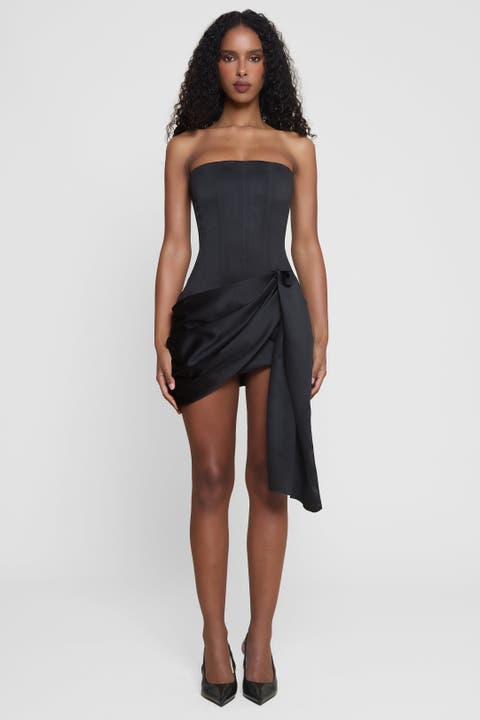
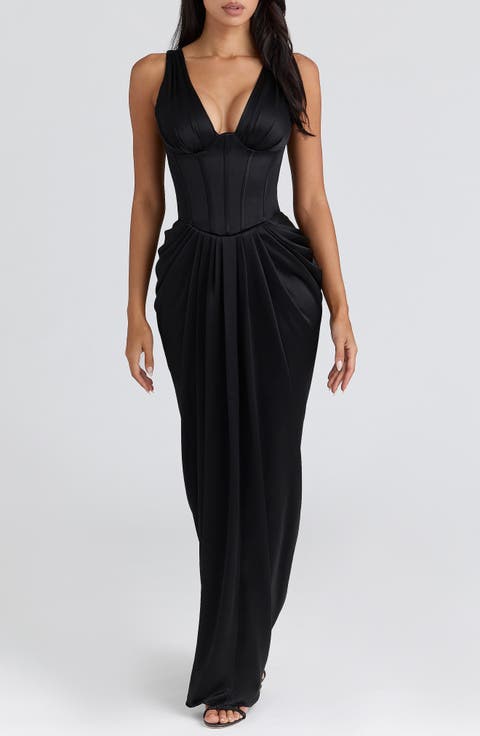

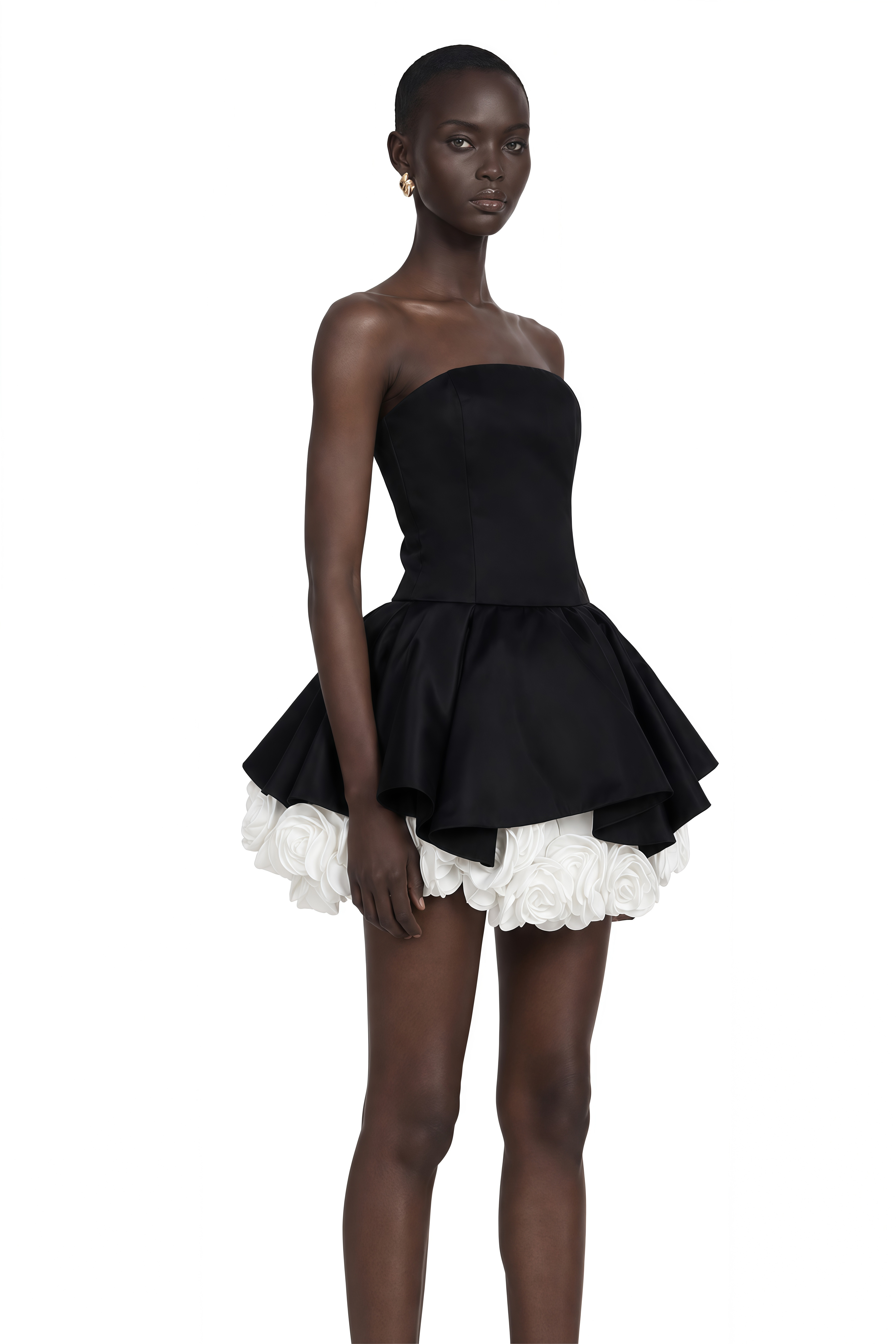

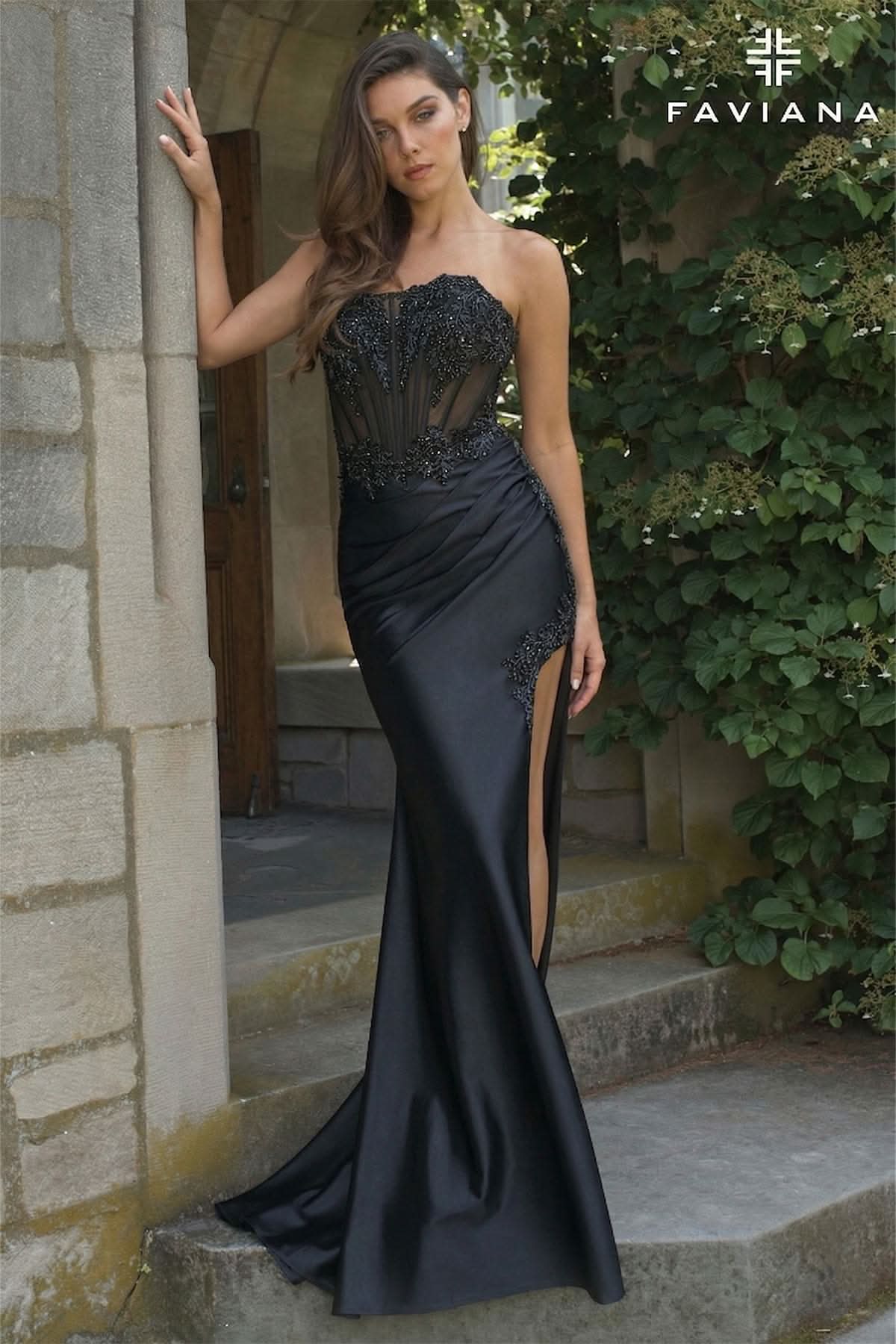

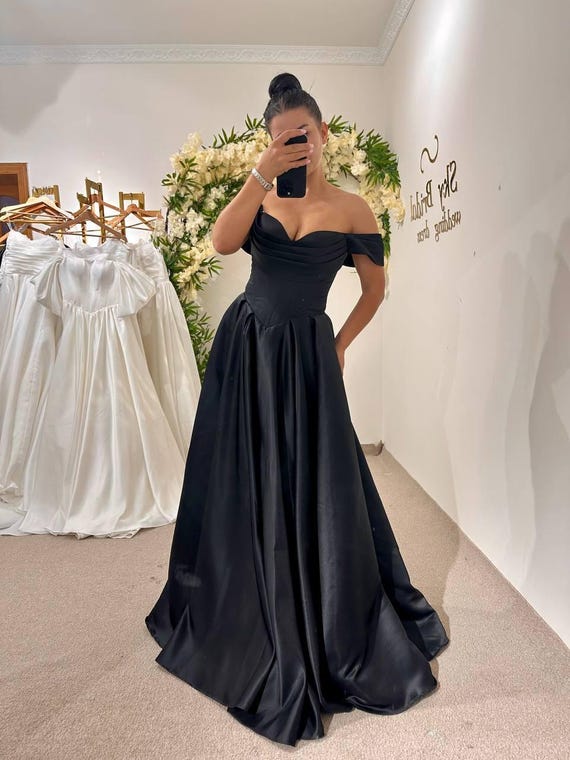
USD23.12
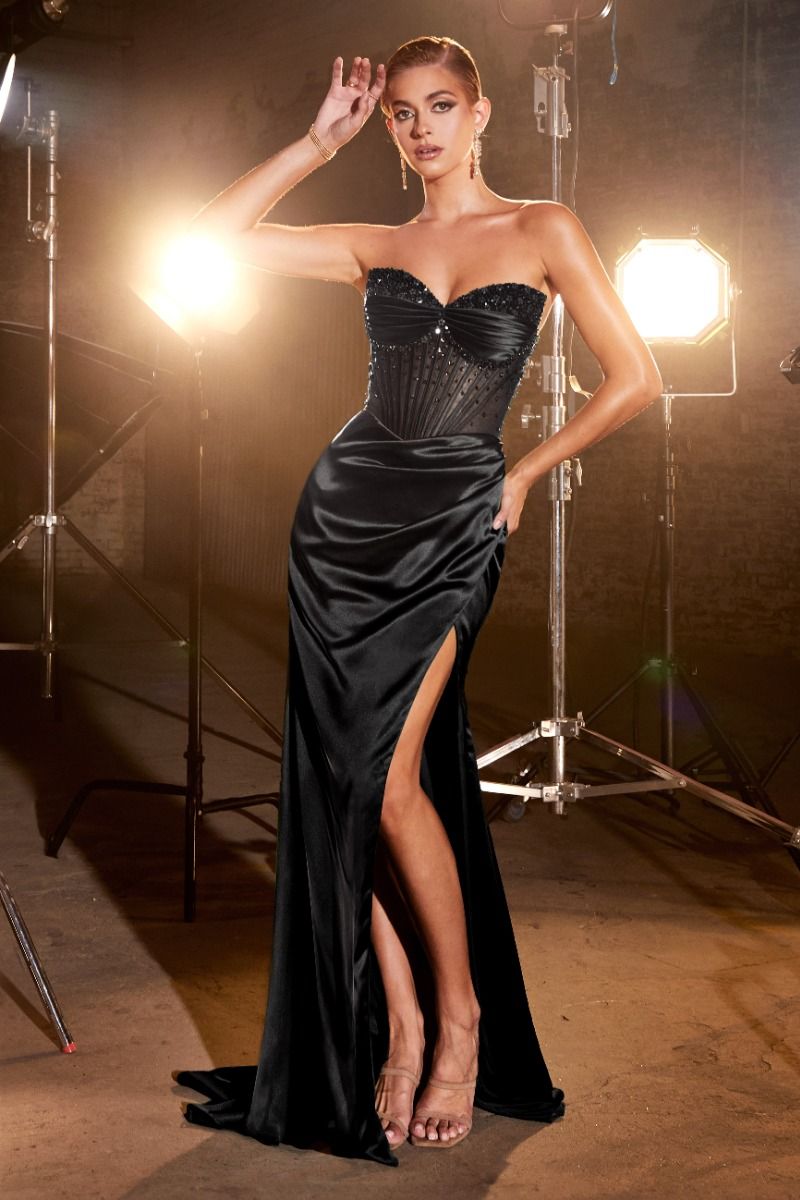

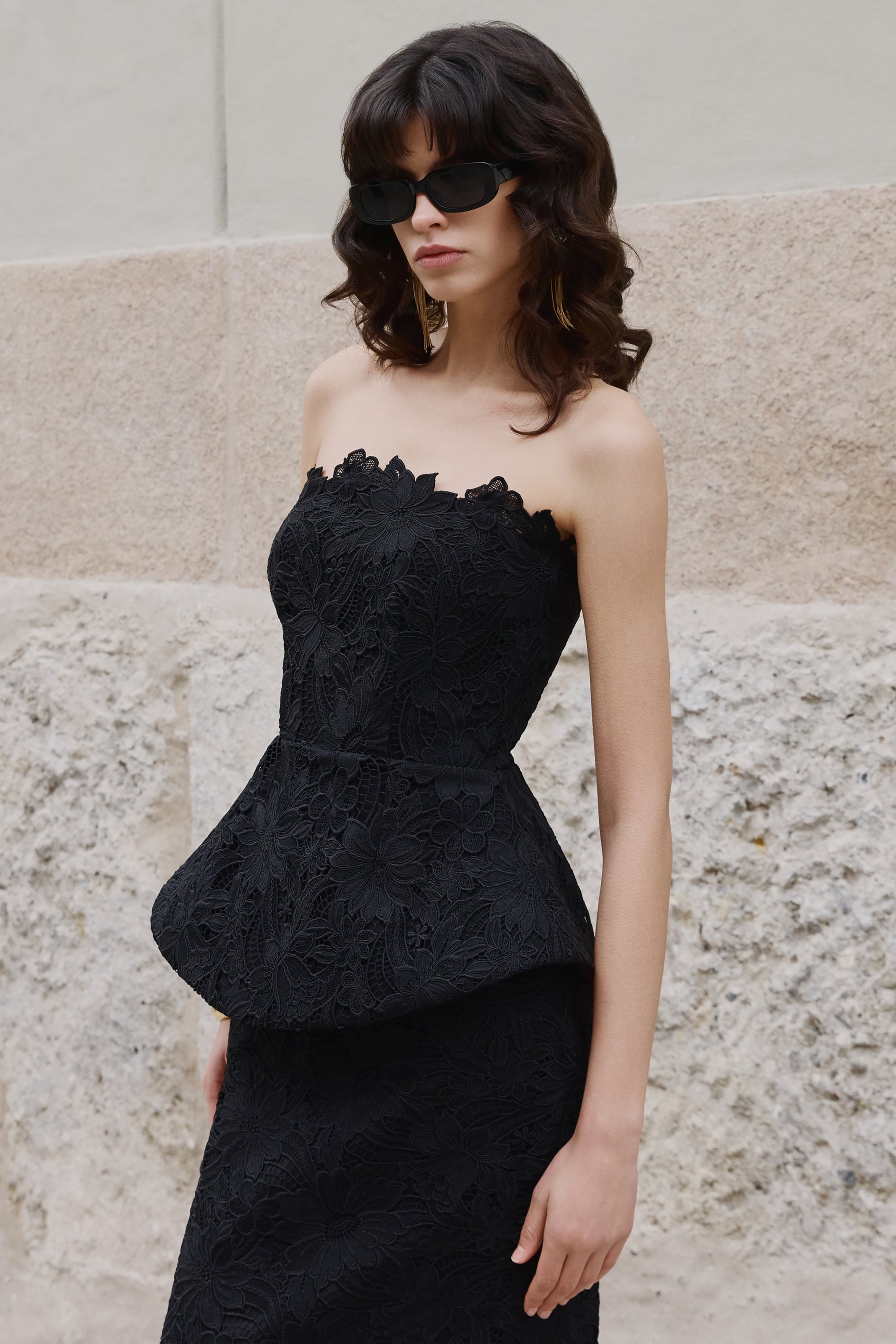

USD29.33

Bias-Cut Garment Specialist: Philip Lee
Usually starts with sampling narrow hems on fluid skirts; adjusting twisting side seams follows once the brief is clear. Trained in advanced pattern cutting, with most of the early learning coming from sample reviews and customer appointments. Has spent 13 years working on dress and skirt projects, usually in small teams. Asks to see the actual garment before committing to a solution. Bias fabric needs time to settle.
A suitable repair can prevent further loss during wear. Photograph the original arrangement.
An uneven armhole position can come from a twisted bodice. Avoid using a jacket to hide an unresolved fit problem.
Rubbing can spread a small stain. Support the area without stretching it.
Look at side and back views to understand the shape around the whole garment. Consider whether the shape suits your actual occasion instead of relying on its formal appearance alone.
Look at pockets and seams if their outlines show through a lighter fabric. If alterations are planned, discuss the actual fabric and hem construction.
Check whether the underlying skirt provides the coverage you want independently of the fringe. Ask about an irregular section before trimming any part of the design.