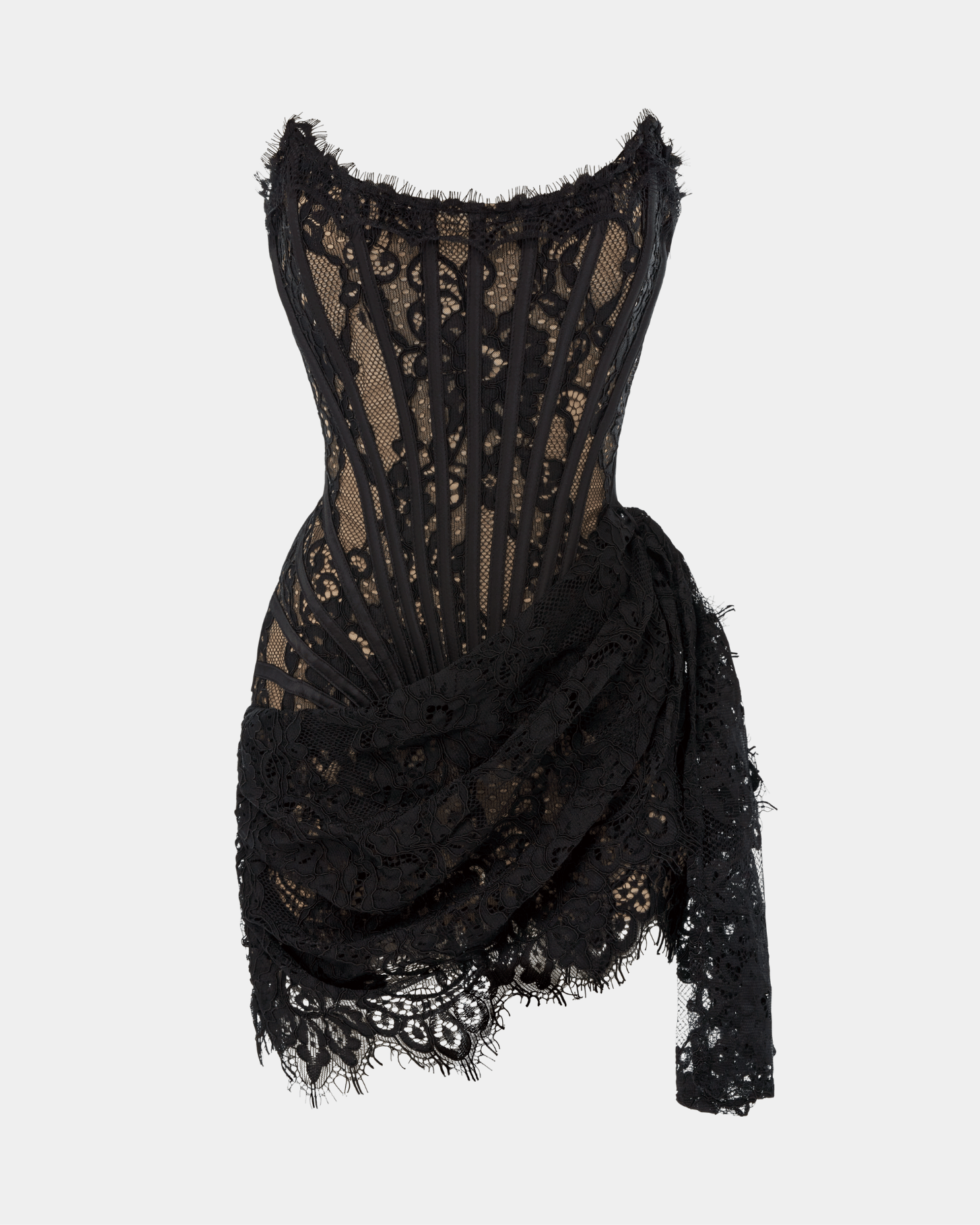
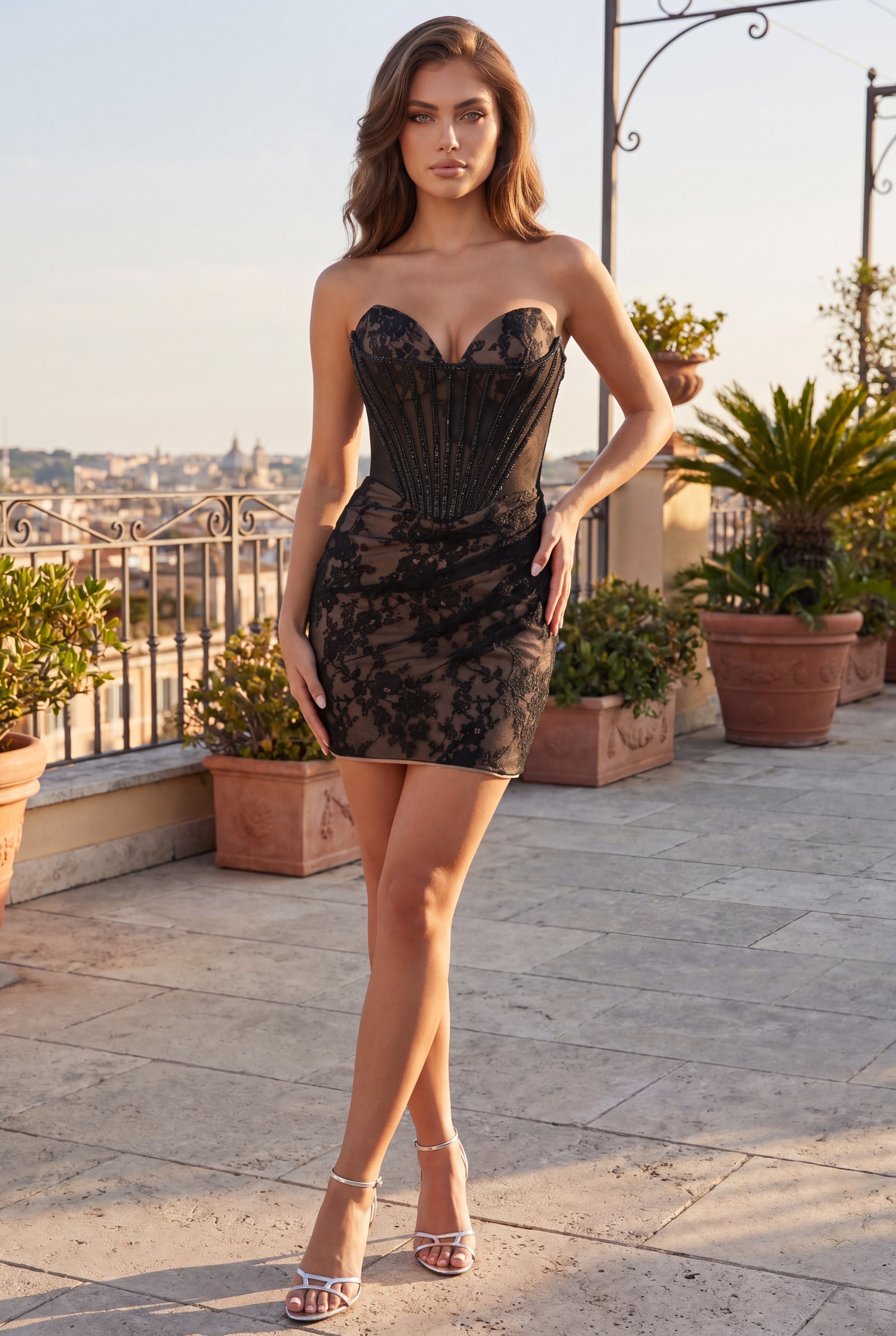
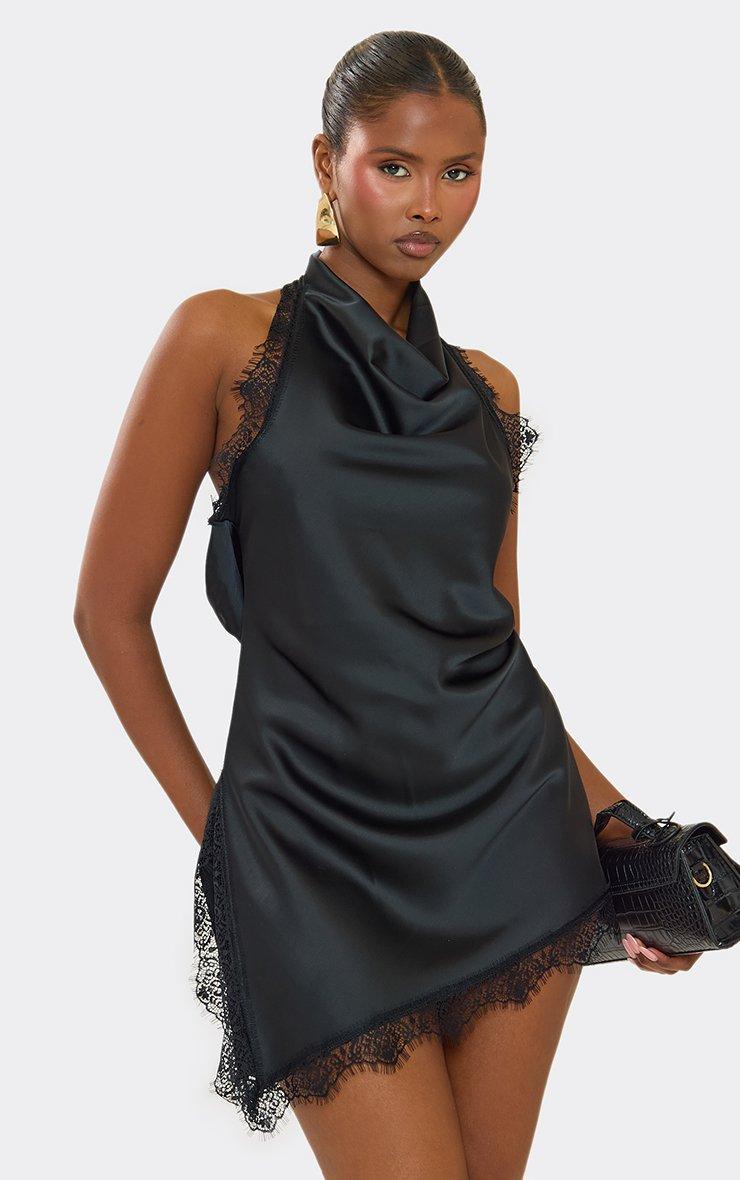
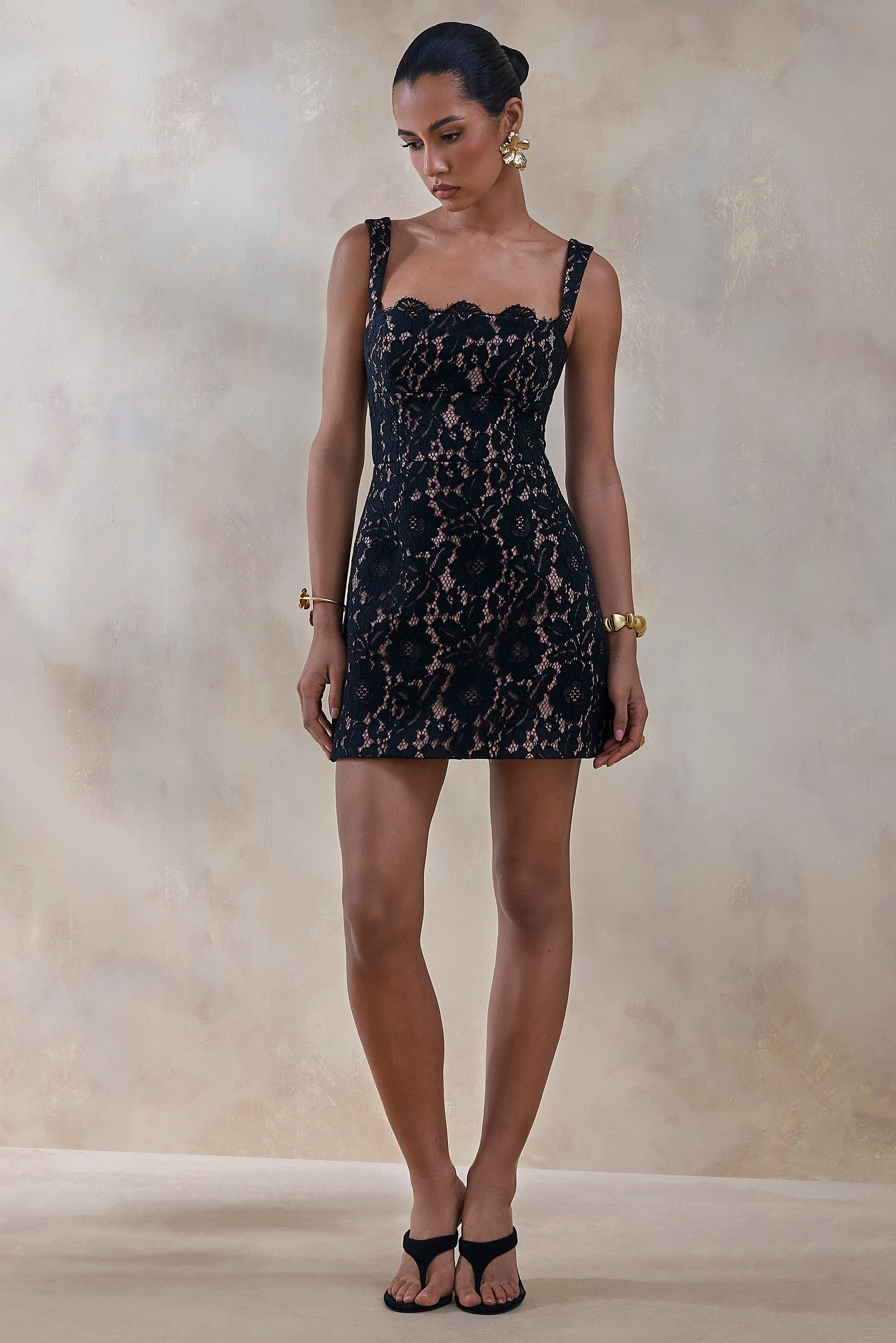
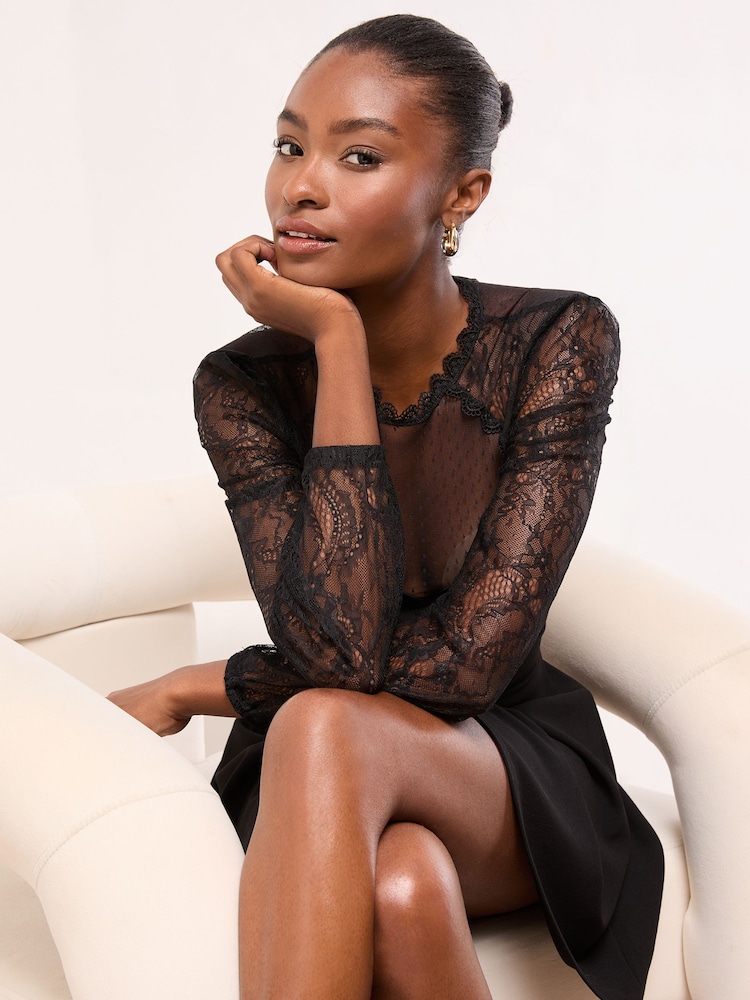
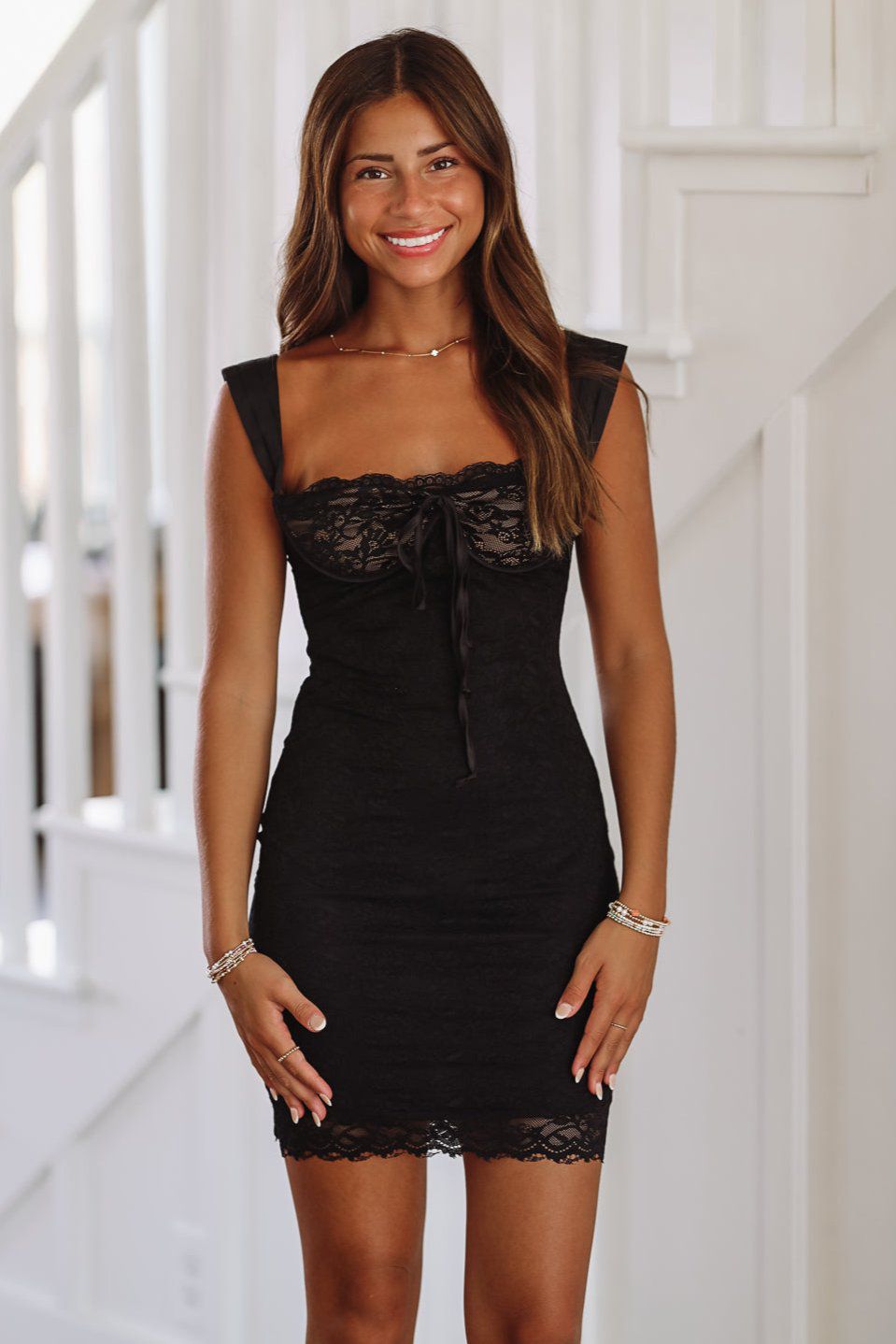
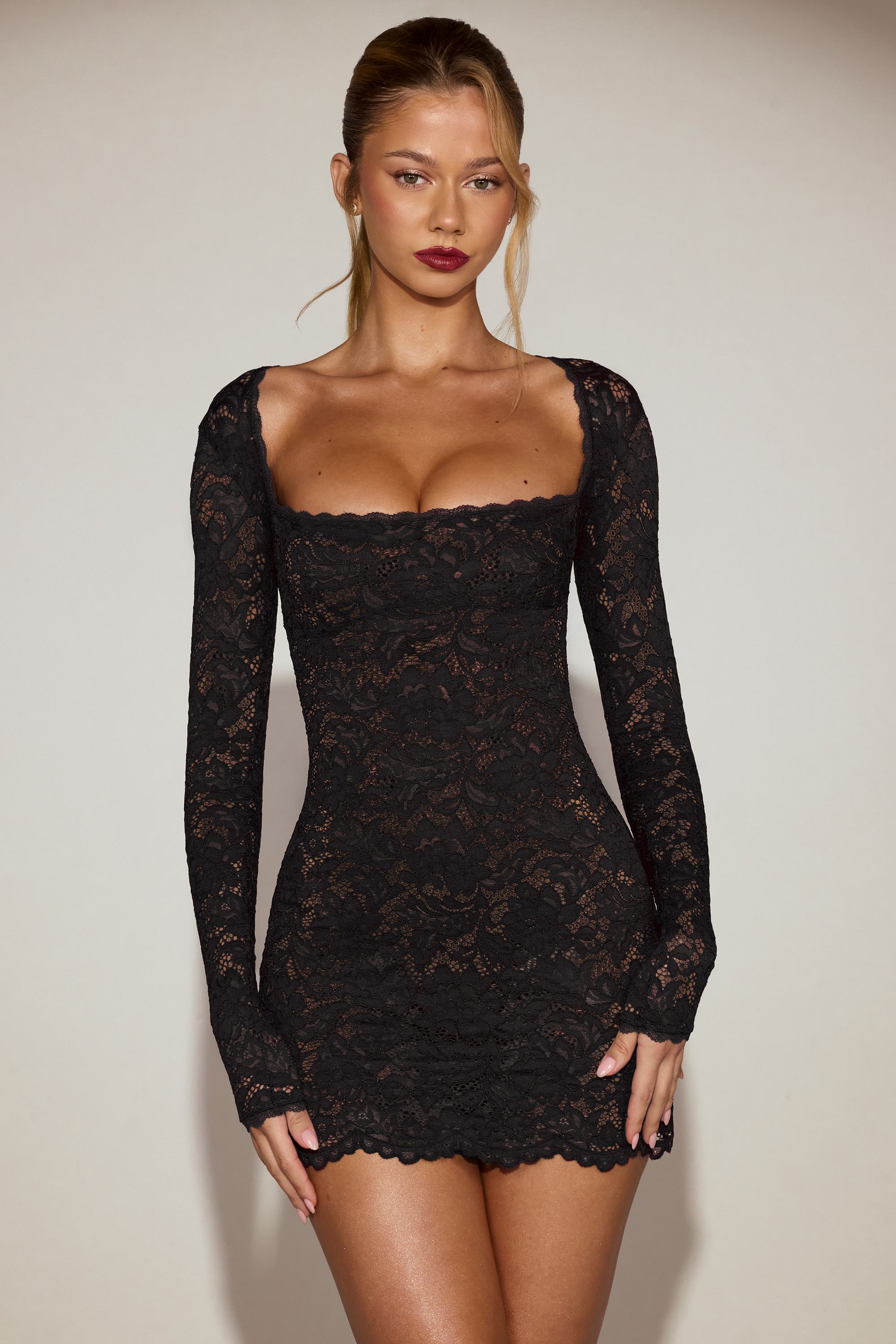
The lace corset mini dress
USD25.36
Women's Wide US Size:10W This versatile piece transitions effortlessly from dinner dates to dance floors https://tnuck.com/cdn/shop/products/TfUyDmEnNCs4lAIHV2FsMkhFAk4M7cAs-1.jpg?v=1691070709&width=1400 cinched waist Sleeveless Our dress is in (woven) cotton velvet, or as it’s sometimes called velveteen, so all the usual rules apply regarding sewing and cutting fabric with a nap (a pile) Zendaya Coleman, the WOMAN you are. Happy 30th birthday to our MJ and forever style muse. ❤️🔥 📹: Getty
USD25.36
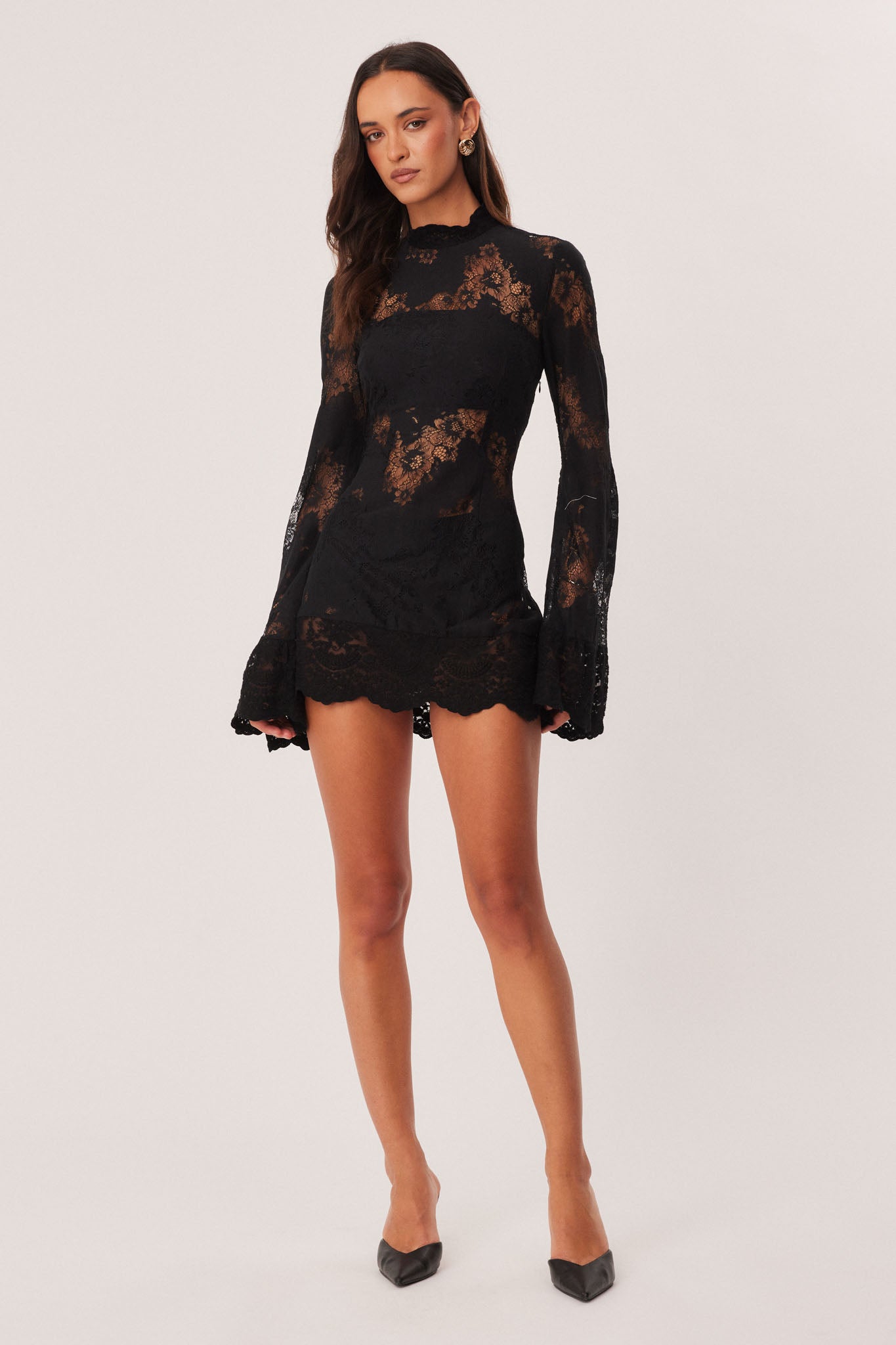
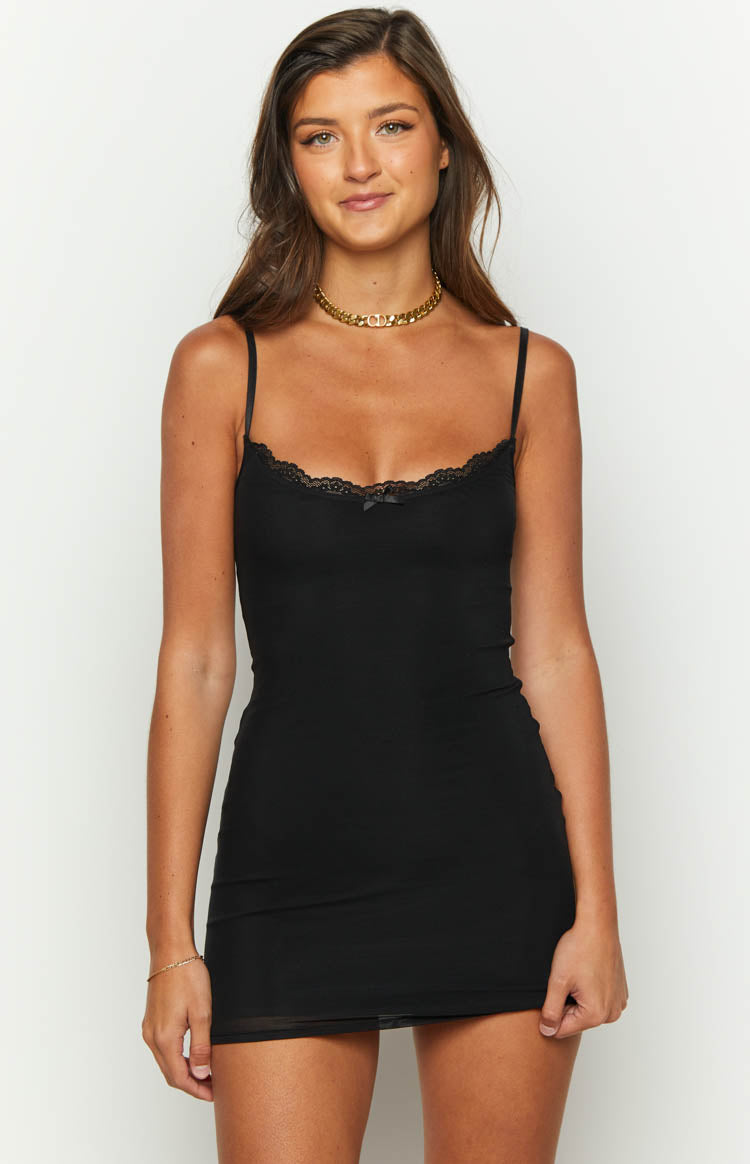
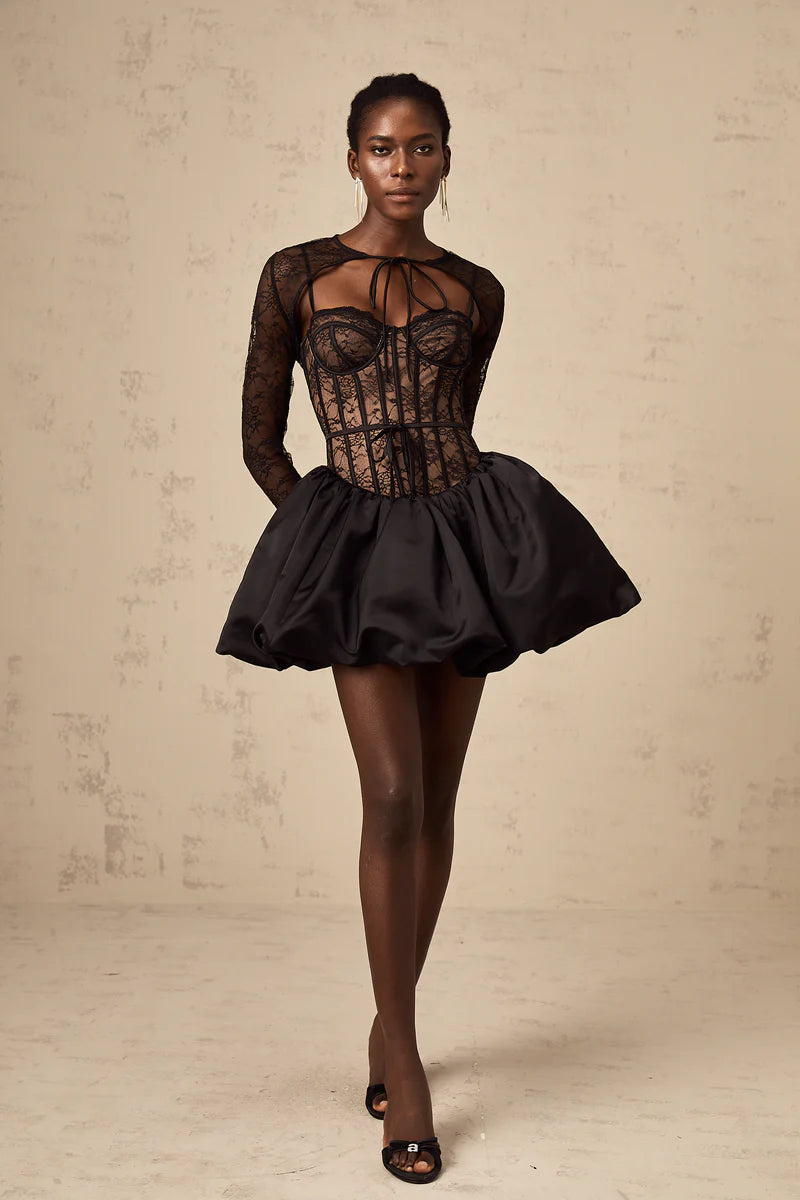
USD21.92

USD22.53



USD29.37
Bias-Cut Garment Specialist: Philip Lee
Usually starts with sampling narrow hems on fluid skirts; adjusting twisting side seams follows once the brief is clear. Trained in advanced pattern cutting, with most of the early learning coming from sample reviews and customer appointments. Has spent 13 years working on dress and skirt projects, usually in small teams. Asks to see the actual garment before committing to a solution. Bias fabric needs time to settle.
A suitable repair can prevent further loss during wear. Photograph the original arrangement.
An uneven armhole position can come from a twisted bodice. Avoid using a jacket to hide an unresolved fit problem.
Rubbing can spread a small stain. Support the area without stretching it.
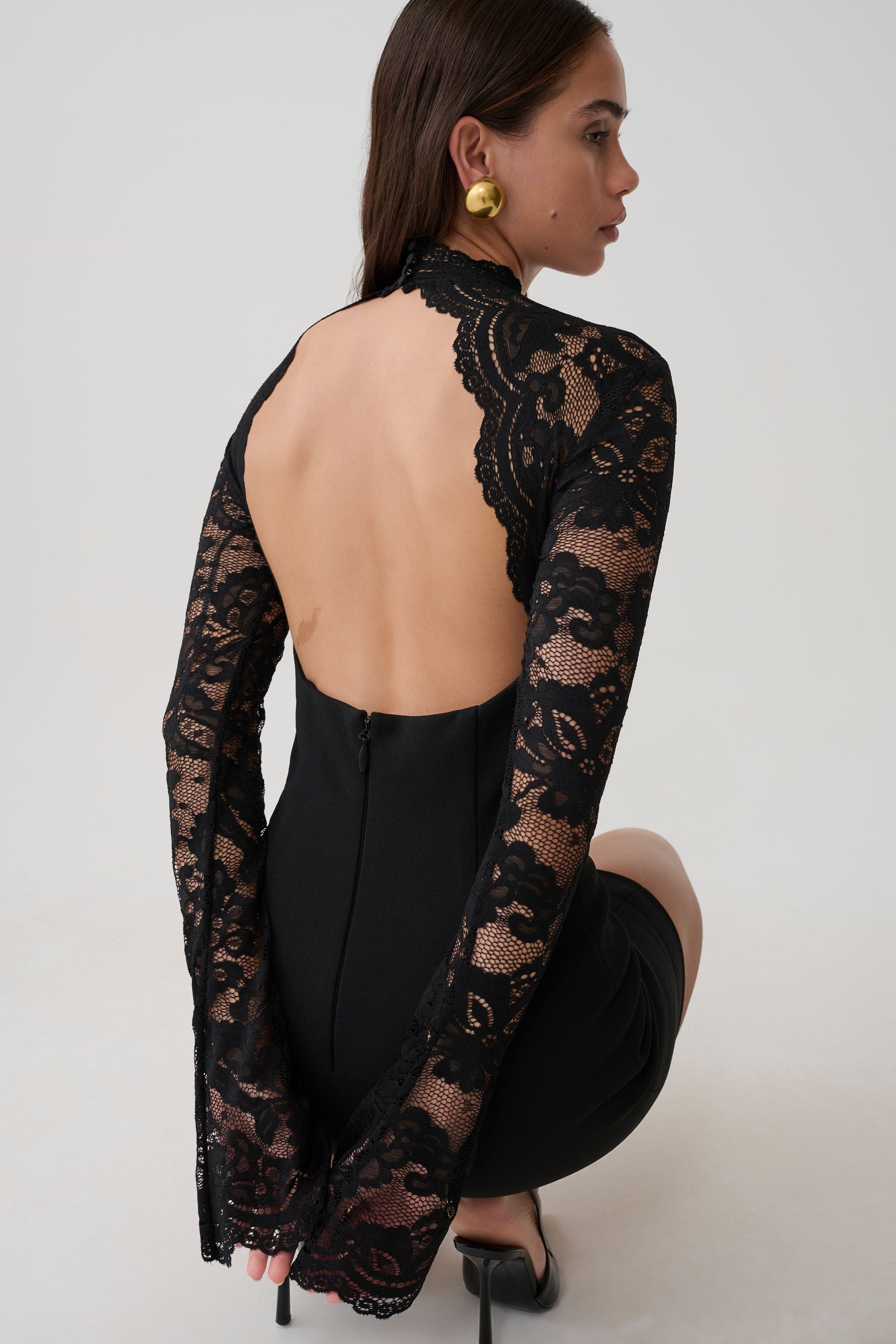
Look at side and back views to understand the shape around the whole garment. Consider whether the shape suits your actual occasion instead of relying on its formal appearance alone.
Look at pockets and seams if their outlines show through a lighter fabric. If alterations are planned, discuss the actual fabric and hem construction.
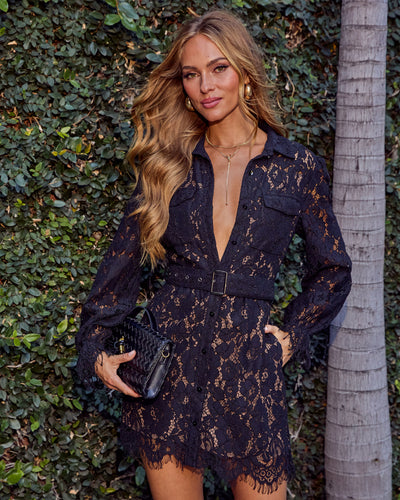
Check whether the underlying skirt provides the coverage you want independently of the fringe. Ask about an irregular section before trimming any part of the design.